Unveiling 7 surprising truths about the enigmatic tulip
Posted on 10/06/2025
Unveiling 7 Surprising Truths About the Enigmatic Tulip
The enchanted tulip has long captivated gardeners and flower enthusiasts alike with its vibrant hues and symbolic significance. Yet beneath the beauty of its cup-shaped blossoms lies a world shrouded in mystery, history, and fascinating facts that few are aware of. In this comprehensive guide, we'll peel back the petals and reveal seven surprising truths about tulips, the beguiling flower that has charmed societies for centuries.
1. Tulips Weren't Always Dutch: Tracing Their True Origins
When you think of Dutch tulips, images of windmills and vast, colorful fields in the Netherlands may instantly come to mind. However, the origin story of the tulip is surprisingly non-European.
The Tale Begins in Central Asia
- Tulips are not native to the Netherlands. In fact, their roots can be traced back to the mountainous regions of Central Asia, particularly modern-day Kazakhstan, Iran, Afghanistan, and Kyrgyzstan.
- Wild tulips grew on rocky slopes and endured harsh climates, a testament to their hardy nature.
- These blossoms were brought to Turkey by the Ottoman Empire, where they became a symbol of prosperity and were even featured on royal regalia.
It was from Ottoman Turkey that tulip bulbs journeyed westward to Europe in the 16th century, ultimately leading to their legendary association with Dutch culture.
2. The Tulip Craze: When Flower Fever Sparked the First Economic Bubble
Among the top tulip facts is the story of the infamous Tulip Mania, one of history's most bizarre and intriguing economic episodes.
Exploring the Financial Frenzy
- In the early 1600s, tulips became a luxury status symbol among the Dutch elite and soon the general populace.
- Prices of some rare tulip bulbs soared, at times worth more than houses or skilled laborers' annual income.
- The "tulip bubble" burst dramatically in 1637, leaving many bankrupt and serving as a cautionary tale for speculative markets.
The intriguing history of tulip mania has since earned its place in economics textbooks as the world's first documented financial bubble, making the enigmatic tulip not just a botanical wonder, but a symbol of humanity's eternal hunt for value and beauty.
3. Tulips Boast a Surprising Color Palette Beyond the Rainbow
The enigmatic tulip dazzles with more than its classic reds and yellows. In fact, tulip varieties now number in the thousands, offering a mind-blowing spectrum of hues ... except for one elusive color.
The Colors of the Tulip World
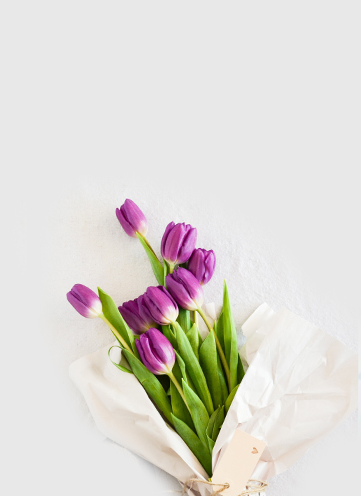
- Tulips bloom in nearly every shade--from snowy white and sunshine yellow to deep purple, almost black, and even multi-colored patterns.
- The rarest and most coveted tulip color is the "black tulip". While no true black tulip exists, breeders have introduced dark purple cultivars like Queen of Night and Black Parrot, coming as close as nature allows.
- Blue tulips also do not exist naturally. All so-called blue tulips are, in fact, variations of purple or violet.
This rich variety in tulip coloration is the result of centuries of careful cross-breeding and horticultural innovation, a testament to human ingenuity in the quest for beauty.
4. Tulips Hold Deep Symbolic and Cultural Meanings Worldwide
Beyond their visual appeal, tulips are layered with meaning in different cultures. Their symbolism extends from love and passion to royalty and rebirth.
The Secret Language of Tulips
- In the Victorian language of flowers, the tulip represented perfect love.
- Red tulips in particular are said to symbolize "I love you."
- Yellow tulips were once associated with hopeless love, but now often stand for cheerfulness and positivity.
- In Turkish and Persian art, tulips signify paradise on earth and are still a favored motif.
- In modern times, tulips are often used to symbolize spring and renewal, making them a popular choice for Easter and Mother's Day bouquets.
The tulip's deep cultural resonance continues to ensure its enduring place in our gardens and our hearts.
5. Tulips Are Edible (But Handle Them With Care!)
Most people admire tulips for their beauty, but few know that tulips are technically edible flowers. However, there are important caveats to consider before adding them to your plate.
A Culinary Role in History
- During times of extreme hardship, such as the "Hunger Winter" in the Netherlands during World War II, people resorted to eating tulip bulbs when other food sources ran out.
- Some chefs have experimented with tulip petals as garnishes or vibrant additions to salads.
- Warning: Not all tulip parts are safe. Bulbs may contain compounds that cause stomach discomfort; only carefully selected, untreated tulips should ever be considered for culinary uses. Always consult an expert before trying!
While their flavor has been described as nondescript or slightly sweet, tulip petals add a pop of color to springtime dishes--just another example of the tulip's surprising versatility.
6. The Tulip's Growing Cycle is a Masterclass in Botanical Patience
Behind every spectacular tulip field lies a fascinating botanical process that demands both patience and precision.
From Bulb to Bloom: How Tulips Grow
- Tulip bulbs must be planted in autumn, allowing them time to settle and develop roots in cool soil.
- During winter, the bulbs lie dormant below ground. This chilling period is crucial for triggering flower development--a process called vernalization.
- Warm spring temperatures signal sprouts to emerge, resulting in the beloved tulip blossoms that herald the season.
- After blooming, tulips focus energy on replenishing the bulb for next year, while the flower wilts away--nature's cycle of renewal.
Gardeners who unlock the secrets of tulip cultivation are rewarded with an explosion of color--and a deeper appreciation for the enigmatic tulip's annual journey.
7. Tulips Shape Tourism and Global Industry
The impact of tulips extends far beyond garden borders. Today, the international tulip industry fuels economic growth while dazzling millions of tourists every year.
The Flower That Transformed a Nation
- The Netherlands remains the world's leading producer of tulips, exporting billions of bulbs worldwide annually.
- Tulip fields--especially around Keukenhof Gardens near Lisse--draw visitors from every corner of the globe, generating significant revenue and supporting local communities.
- Tulip festivals are now celebrated worldwide, from Istanbul and Ottawa to Skagit Valley in Washington State.
- Advances in bulb technology and greenhouse growing methods have made it possible for everyone to enjoy these enigmatic flowers year-round.
The enchanting tulip continues to connect people across continents, inspiring art, commerce, and shared appreciation for nature's wonders.
FAQs About Tulips: Unraveling Common Myths
What is the true origin of the tulip?
Despite their famous connection with the Netherlands, tulips are originally from Central Asia, especially the mountains of Kazakhstan and Iran. The Dutch popularized their cultivation and helped spread their fame worldwide.
Are all parts of the tulip safe to eat?
No--all parts of the tulip, especially the bulb, can contain toxic compounds and should only be consumed after thorough knowledge and proper identification. It's best to admire tulips for their beauty rather than as a regular culinary ingredient.
Why are there no true blue or black tulips?
The pigments present in tulips do not naturally produce blue or black. Breeders have reached deep purples and near-black colors, but a truly blue or jet-black tulip doesn't occur in nature.
How do I grow tulips successfully in my garden?
Plant tulip bulbs in the fall in well-draining soil with good sunlight. Ensure a period of winter chill for the bulbs to bloom, and avoid watering excessively during dormancy to prevent rot.
Conclusion: The Timeless Allure of the Mysterious Tulip
From its exotic origins and role in shaping world economics to its deep symbolism and captivating diversity, the enigmatic tulip is far more than a simple spring flower. These seven surprising truths weave a rich tapestry of history, science, and culture--reminding us of the enduring power of nature to inspire, astonish, and unite.
Whether you're an avid gardener, a history buff, or simply someone who delights in the beauty of blooms, the alluring tulip offers up endless intrigue--like a secret waiting to be discovered as each petal unfolds.