Lambeth Council rules for Herne Hill flower stalls
Posted on 05/10/2026
If you are planning a flower stall in Herne Hill, the first thing to understand is not the bouquet mix or the best wrap paper. It is the local rules. Lambeth Council rules for Herne Hill flower stalls can affect where you trade, what permissions you need, how you set up, and what happens if you get it wrong. That sounds a bit dry, I know, but it is the difference between a smooth trading day and a very awkward chat with a council officer on a windy morning by the station.
This guide breaks the topic down in plain English. You will learn how the system usually works, what practical checks matter most, where people often slip up, and how to approach compliance without overcomplicating it. Whether you are a new trader, a local florist testing a stall idea, or someone comparing Herne Hill flower delivery with a physical stall presence, this article will help you make sense of the moving parts.
One thing to keep in mind: local trading rules are not always one-size-fits-all. The exact permission route can depend on the site, the type of pitch, and whether you are on council land, private land, or a public highway. That is why a careful, local-first approach matters so much.
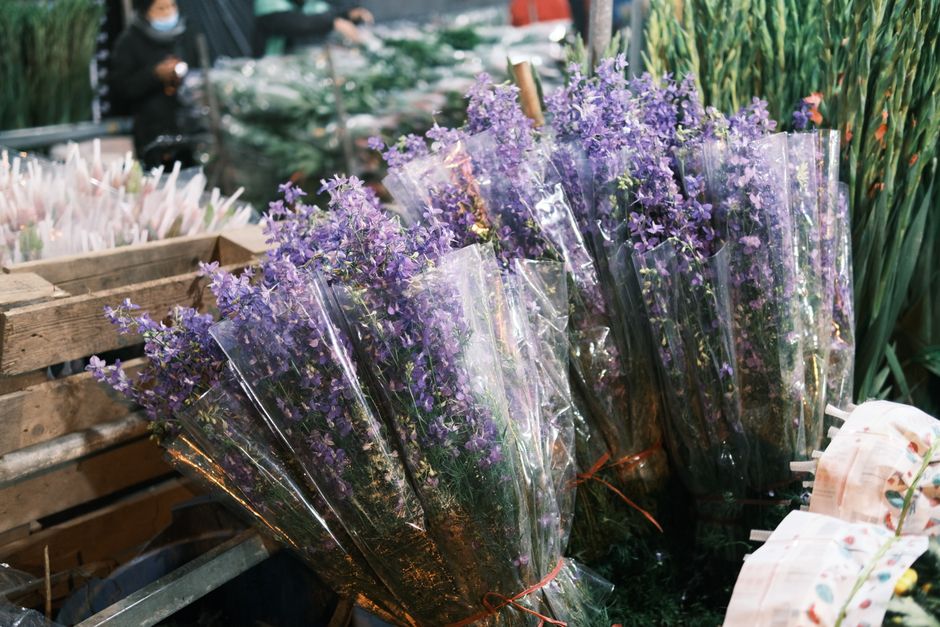
Why Lambeth Council rules for Herne Hill flower stalls Matters
Herne Hill has a very particular rhythm. Early trains, weekend footfall, local shoppers, school runs, cafes spilling out onto pavements, and the occasional brisk dog walk. A flower stall can fit that rhythm beautifully, but only if the operation respects the local framework around trading, obstruction, safety, and appearance. That is the real reason Lambeth Council rules for Herne Hill flower stalls matter: they protect both the trader and the public space you are using.
For the trader, compliance reduces avoidable disruption. For the area, it helps keep pavements passable, maintain visual order, and minimise nuisance. And for customers, it makes the buying experience feel considered rather than chaotic. Nobody likes squeezing past a display stand, a board, and a crate of water buckets when they are already late for the train.
There is also a reputational side. In a neighbourhood like Herne Hill, word travels quickly. A stall that looks tidy, lawful, and reliable tends to build trust. A stall that seems ad hoc or poorly managed can quickly become "that one on the corner," and not in a good way.
Practical takeaway: local flower trading is not just about selling flowers. It is about trading in a shared public space without causing friction, confusion, or avoidable risk.
If your business model includes repeated trading, not just a one-off pop-up, then the rules matter even more. Regular traders usually need a more structured setup than someone selling a small bouquet display for a private event. To be fair, that distinction catches people out more often than you would expect.
How Lambeth Council rules for Herne Hill flower stalls Works
At a practical level, the rules usually revolve around a few questions: where is the stall located, what kind of trading is happening, how long will it stay there, and what impact will it have on the surrounding area? Those questions shape whether a permission, licence, pavement arrangement, or other approval is needed.
While exact processes can differ, the typical structure looks something like this:
- Location check: is the stall on council-controlled land, private land, or a public pavement?
- Trading type: are you selling cut flowers, wrapped bouquets, plants, add-on gifts, or seasonal arrangements?
- Duration and frequency: is this a daily stall, weekend-only setup, or a temporary event pitch?
- Space and access: can people still pass safely, including wheelchair users, parents with buggies, and people carrying bags?
- Operational controls: what signs, waste arrangements, storage, and display equipment will be used?
In other words, the council is not just asking, "Are you selling flowers?" It is asking, "Can this happen safely and fairly in a busy local environment?" That is the lens to keep in mind.
Some traders also compare a stall to online or delivery sales because the customer need is similar, but the operational burden is very different. A website page like flower delivery in Herne Hill SE24 is about transport and order fulfilment; a stall is about street presence, space management, and local trading permissions. Apples and oranges, really.
If you already have a retail presence or a nearby florist operation, you may find it helpful to think of the stall as an extension of your service rather than a separate idea. For example, some traders link the stall concept with their broader local identity, much like a high-street florist would present themselves through a page such as florist Herne Hill SE24. The practical difference is that a stall has a sharper compliance angle.
Key Benefits and Practical Advantages
Working within the Lambeth Council framework is not only about avoiding trouble. Done well, it brings real operational advantages.
- Predictability: you know what you can and cannot do, which helps with staffing and stock planning.
- Credibility: customers are more likely to trust a stall that looks organised and properly managed.
- Better flow: a compliant stall is easier to set up, easier to maintain, and less likely to draw complaints.
- Location fit: if your flowers suit local demand, you can benefit from walk-by trade and last-minute purchases.
- Reduced risk: fewer issues around obstruction, safety, hygiene, and enforcement.
There is a commercial angle too. A good stall can act as a local discovery point. People might see a seasonal display, buy a bouquet on impulse, and later order again online. That is often how small local flower businesses build repeat custom. Not glamorous, but effective.
In practice, a stall can support different customer needs depending on how you position it. A fresh, affordable display may appeal to everyday buyers looking at cheap flowers Herne Hill SE24, while a premium arrangement may naturally align with best flower delivery Herne Hill SE24 expectations. The point is to match the stall format to the local demand profile.
And yes, presentation matters. Fresh water, neat buckets, legible pricing, and a sensible colour mix can do more for sales than a complicated pitch strategy. Sometimes the obvious bits are the bits people skip. Funny, that.
Who This Is For and When It Makes Sense
This topic is relevant to a few very different people, and it helps to be honest about which camp you are in.
- Independent florists: especially those adding a stall outside a shop or near a station.
- Event traders: if you want a short-term flower presence for a market, festival, or community day.
- Seasonal sellers: for occasions such as Mother's Day, Valentine's Day, weddings, or remembrance periods.
- New businesses: if you are testing whether Herne Hill footfall supports regular trade.
- Delivery-focused florists: if you want to expand into physical trading while keeping your delivery base strong.
It also makes sense for people who are still comparing formats. A stall is not always the right answer. If your business is set up mainly for logistics and orders, you might do better focusing on channels such as same day flower delivery Herne Hill SE24 or next day flower delivery Herne Hill SE24 rather than standing outside with stock all day in a chilly breeze.
On the other hand, if you want local visibility, spontaneous purchases, and a more tactile connection with customers, a stall can be a strong fit. People still like to see, smell, and choose flowers in person. It's one of those retail truths that never really goes away.
Step-by-Step Guidance
Here is a sensible way to approach the process without getting lost in admin.
- Confirm the exact trading location. Know whether the pitch is on a pavement, market-style site, private frontage, or another space. This matters more than almost anything else.
- Identify who controls the space. That might be Lambeth Council, a private landlord, or another body. Different land, different rules.
- Check whether permission is needed. For many public locations, some form of approval or licence is likely to be involved. Do not assume a small stall is automatically fine.
- Plan the stall layout. Keep access clear, avoid trip hazards, and make sure displays will not wobble in wind or block sightlines.
- Set your operating hours. Match them to footfall and any local restrictions. A flower stall that appears too early, stays too late, or creates clutter overnight can cause problems.
- Prepare pricing and display materials. Customers should be able to understand what is for sale without having to ask about every bunch.
- Sort waste and storage. Water, packaging, damaged stems, and cardboard need a plan. A tidy stall is a safer stall.
- Keep records of permission and correspondence. If anyone asks questions, you want clear evidence that you have checked the rules properly.
A quick real-world example: imagine a trader sets up near the station on a Friday afternoon with buckets, a small banner, and a folding table. If the stall has clear access, no loose cables, and obvious pricing, it feels welcoming. If it spreads into the pavement with boxes underfoot, it feels like an obstacle. Same flowers, very different result.
One more thing. If you already run a local online shop, make the stall feel consistent with your brand. A customer who buys a bunch from the street might later order a birthday bouquet from your site, maybe something like birthday flowers Herne Hill SE24. That continuity helps.
Expert Tips for Better Results
These are the small things that often separate a professional stall from a stressful one.
- Keep the display simple. Too many varieties can look messy. A focused range usually sells better.
- Use weather-aware stock planning. Heat, wind, and sudden rain all change how flowers behave and how quickly they should be sold.
- Choose containers that are stable. Lightweight buckets can tip. A gust through Herne Hill on a cold morning is not your friend.
- Make prices obvious. People are far more likely to buy when they do not have to ask basic questions.
- Have a contingency for unsold stock. Good outlets, delivery, or creative repurposing can reduce waste.
- Train anyone helping on the stall. They should know the basics of handling flowers, customer service, and how to keep the pitch compliant.
If you are building a broader local flower offer, think about how the stall connects to your online presence. Someone browsing flower shops Herne Hill SE24 may want reassurance that you are a real local operator with a visible footprint. A stall can provide that. It gives a sense of place, which, let's face it, matters in London.
Also, do not underestimate timing. A well-stocked stall at the right hour can feel like a little local event. The colours pop, the scent is fresh, and people stop for a second before the bus arrives. That moment is often where the sale happens.
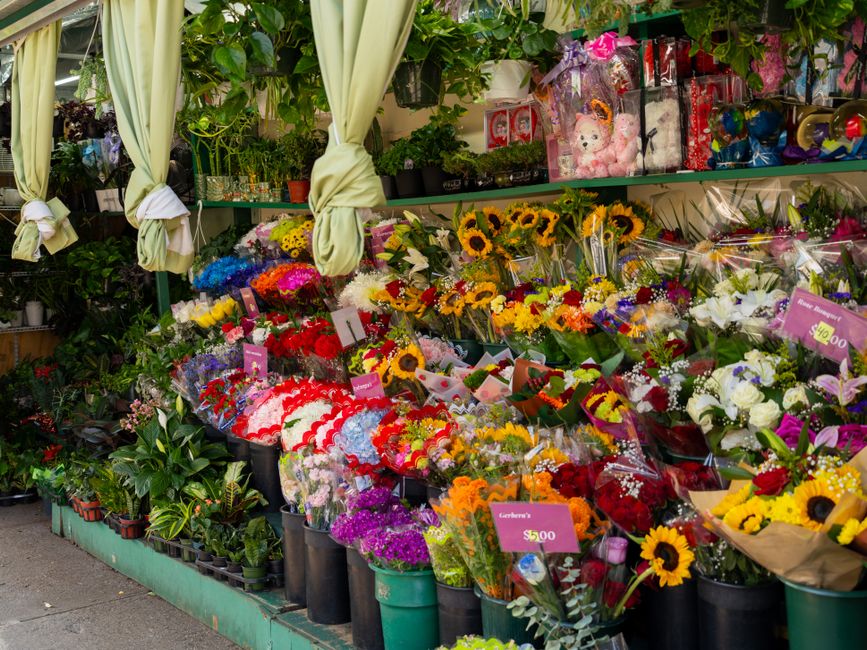
Common Mistakes to Avoid
Most compliance problems are not dramatic. They are small, cumulative, and surprisingly ordinary.
- Assuming a stall is "too small to matter". Small stalls can still need permission.
- Blocking the pavement. Even a beautiful display is a problem if people cannot pass safely.
- Ignoring nearby uses. Residential entrances, shops, and busy junctions all change the risk picture.
- Leaving stock out too long. Wilted flowers, spillages, and clutter can quickly create complaints.
- Using unclear signage. If customers cannot tell what you sell or how much it costs, the stall works harder than it should.
- Not checking seasonal pressure. Demand spikes around holidays can tempt people to over-expand without checking whether the setup still works.
A very common miss is treating street trading like online retail. It is not. A delivery page can be neat and predictable, while a physical stall has to respond to people, weather, and the public realm in real time. That difference is the whole game.
Another one: not planning for a wet day. Cardboard goes soggy, signs curl, and customers hurry past. If you have ever watched a paper price list flap itself half off a table, you know the feeling. Slightly embarrassing, very avoidable.
Tools, Resources and Recommendations
You do not need a mountain of equipment, but the right basics make a big difference.
| Item | Why it helps | Practical note |
|---|---|---|
| Stable buckets or tubs | Keep flowers upright and secure | Choose heavier bases for windy spots |
| Clear pricing signs | Reduces friction at the point of sale | Use large, readable text |
| Water source plan | Helps keep stock fresh | Think about refilling and spill control |
| Waste bags and cartons | Keeps the pitch tidy | Do not leave trimmings lying around |
| Weather protection | Protects stock and display materials | Lightweight covers can be handy |
For business support pages, it can also help to review the practical information on delivery, flower care, and the business-facing details in about us. These pages are not about street trading permissions themselves, but they do support customer trust and operational clarity.
If your setup includes gifts or occasion-based upsells, you may also want to keep a few relevant product categories in mind, such as flowers for any occasion or thank you flowers. Useful for quick stall-side recommendations, that.
Law, Compliance, Standards, or Best Practice
Because this topic involves trading in a public-facing environment, it sits close to local authority controls and general street-trading best practice. The safest approach is to treat the rules as something to confirm before you trade, not after you have already set up.
In broad terms, the compliance picture may involve:
- Local trading permissions: depending on the pitch and the land status.
- Public safety duties: keeping paths clear and avoiding foreseeable hazards.
- Neighbour impact: noise, litter, obstruction, and visual clutter can all matter.
- Business records: keeping a trail of approvals, invoices, and any written permission.
- Consumer-facing fairness: prices should be clear and the products should be represented honestly.
Best practice is simple: document everything, keep the pitch tidy, and do not assume yesterday's arrangement still applies today. Councils can review trading situations, and local conditions can change. A weekend pitch that works in one season may need adjustment in another.
If your stall is part of a larger flower business, the wider policy pages on terms and conditions, returns and refund, and privacy policy can also help build trust with customers who move between in-person and online buying. That trust does not replace compliance, of course, but it supports the whole picture.
One useful mindset shift: compliance is not a hurdle to creativity. It is the frame that lets creativity work in public without causing problems. Slightly less romantic, maybe, but much more sustainable.
Options, Methods, or Comparison Table
People looking into Herne Hill flower stalls often compare three broad approaches. Each has a different level of flexibility, visibility, and administrative burden.
| Option | Best for | Main advantage | Main drawback |
|---|---|---|---|
| Permanent or regular stall | Traders with steady footfall and repeat customers | Strong visibility and branding | Usually the most compliance-heavy |
| Temporary or seasonal stall | Peak trading periods and local events | Flexible and lower commitment | May still need permission and careful setup |
| Delivery-led model with occasional pop-up | Businesses focused on orders and logistics | Easier to scale without daily street presence | Less walk-by discovery |
For many small traders, the third option is the easiest starting point, especially if you already have an online base. Pages like send flowers Herne Hill SE24 and flowers by post Herne Hill SE24 can do a lot of heavy lifting while you test local demand for a stall. Then, if the numbers and permissions make sense, you can build from there.
To be fair, there is no single "best" method. The right choice depends on your staff capacity, the pitch you want, the kind of stock you carry, and how visible you want the business to be in the neighbourhood.
Case Study or Real-World Example
Imagine a small florist based near Herne Hill who wants to trial a Saturday stall. They already sell online and have a few regular local customers, but they notice more impulse buying when people walk past the rail hub and nearby cafes.
Instead of jumping straight into a full weekend setup, they first check the likely permissions route for the exact pitch, confirm who manages the site, and design a small display that keeps the pavement clear. They choose three core ranges: mixed seasonal bunches, a modest premium selection, and a handful of value bouquets. Nothing flashy. Just clean, fresh, and easy to understand.
On the day, they keep buckets stable, put prices at eye level, and store cardboard neatly behind the table. The stall looks calm rather than crowded. A customer buys one bunch for a friend, then asks about next-day delivery for another occasion later in the week. That is the sort of behaviour a well-run stall can trigger.
Now compare that with a second trader who skips the planning, sets up too wide, and forgets how much space pedestrians need. Even if the flowers are lovely, the whole impression is off. In a place like Herne Hill, that matters. People are moving quickly, often with bags, coffee, or a child in tow. If the stall feels like part of the street rather than a barrier on it, it has a far better chance of succeeding.
Practical Checklist
Before you trade, run through this checklist. It keeps things grounded.
- Have you confirmed the exact stall location?
- Do you know who controls the land or pavement space?
- Have you checked whether permission or a licence is needed?
- Is the display narrow enough to keep a clear pedestrian route?
- Are your buckets, signs, and tables stable in wind?
- Do you have a plan for waste, spills, and packaging?
- Are prices visible and easy to understand?
- Have you considered weather, peak hours, and local footfall patterns?
- Do you have records of approvals and written correspondence?
- Is your setup consistent with your wider flower brand and customer experience?
If you can answer yes to most of these, you are already in a much stronger position than the average first-time trader. And if a few answers are still fuzzy, that is fine. Better to pause and check than to rush into a setup that causes a headache later.
Get a free quote today and see how much you can save.
Conclusion
Lambeth Council rules for Herne Hill flower stalls are really about one central idea: trading responsibly in a shared local space. If you understand the pitch, the permission route, the access requirements, and the practical day-to-day details, you can build a stall that feels useful rather than intrusive. That is the sweet spot.
For some businesses, a stall will be the right fit straight away. For others, it will work best as an extension of online sales, delivery, or a broader florist presence. Either way, the key is the same: know the rules, plan properly, and keep the customer experience simple and pleasant. That usually wins.
And honestly, a well-run flower stall does something nice for a neighbourhood. It adds colour, a bit of life, and a small moment of calm in the middle of a busy London day. Hard to argue with that.
Frequently Asked Questions
Do I need permission to run a flower stall in Herne Hill?
In many cases, yes, especially if the stall is on public land, a pavement, or any space controlled by the council. The exact permission route depends on the location and setup, so it is best to check before you start trading.
Are Lambeth Council rules the same for every flower stall?
No. Rules can vary depending on whether the stall is temporary, regular, on private land, or in a public space. Even a small change in location can affect what approvals are needed.
Can I place a small display outside my shop without a licence?
Not always. Small displays can still count as an obstruction or trading activity. If the display is on or near a public pavement, you should not assume it is automatically allowed.
What is the biggest issue with flower stalls on busy streets?
The biggest issue is usually access. If the stall blocks pedestrians, wheelchair users, pushchairs, or shop entrances, it can cause complaints and enforcement problems very quickly.
How do I make a flower stall look professional?
Keep the layout tidy, use readable pricing, choose stable containers, and avoid overcrowding the display. Fresh water and clean presentation make a surprisingly big difference.
Are seasonal or weekend stalls treated differently from permanent ones?
Often, yes. Temporary stalls may have a different approval route or shorter permission period, but they can still require local sign-off. Seasonal trading does not automatically mean simpler trading.
What should I do if I am unsure who controls the pitch?
Pause and identify the landowner or responsible body before setting up. That one step can save a lot of trouble. If the pitch is wrongly assumed to be public or private, the whole setup can become messy fast.
Can a flower stall support online sales too?
Absolutely. In fact, a stall can help customers discover your online service, and online orders can support stall demand. Many small flower businesses use both channels together.
How important is signage on a Herne Hill flower stall?
Very important. Clear signage helps customers understand what is being sold and at what price. It also makes the stall feel more trustworthy and less improvised.
What should I do with unsold flowers at the end of the day?
Have a plan before trading starts. You might use them for next-day sales, delivery orders, discounted bundles, or other approved resale routes. Leaving wilted stock unmanaged is never a great look.
Does a flower stall need to match my wider brand?
It does, ideally. Customers notice consistency. If your stall, delivery service, and online pages all feel connected, your business looks more established and easier to trust.
What is the safest first step if I want to start trading?
Confirm the exact pitch and ask what permission applies before buying equipment or stock in bulk. That keeps your risk low and your planning realistic. A little caution upfront is worth a lot later.